 Merlion BTT
Essential Guide
Traffic Signs & Road Markings
Your comprehensive guide to understanding Singapore's road language. Master the signs to drive safely and confidently.
1.0 Mandatory Signs: What You MUST Do
Mandatory signs are commands, not suggestions. They tell you what you are required to do by law, and it is a traffic offence to disobey them. While many mandatory signs are circular with a blue background, others like the octagonal 'Stop' and triangular 'Give Way' signs have unique shapes to make them stand out. Always pay attention to the symbol's command, regardless of the shape.
| Image | Sign | What it Means | Your Action as a Driver |
|---|---|---|---|
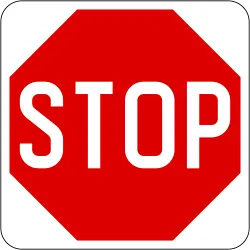 | Stop Sign | A complete stop is required. | You must bring your vehicle to a complete halt before the white line. Give way to all traffic from your right and left before proceeding safely. |
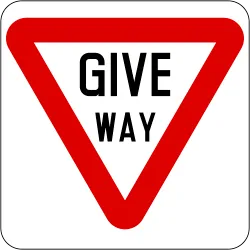 | Give Way Sign | You must yield to traffic on the major road. | Slow down as you approach the junction. Be prepared to stop if necessary. Only proceed when there is a safe gap in traffic from the major road. |
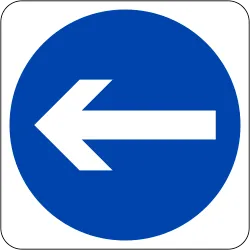 | Turn Left Only | Traffic in this lane must turn left. | You are only permitted to make a left turn from this lane. You cannot go straight or turn right. |
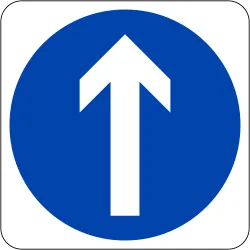 | Ahead Only | Traffic in this lane must proceed straight. | You must continue straight ahead. Turning left or right from this lane is not allowed. |
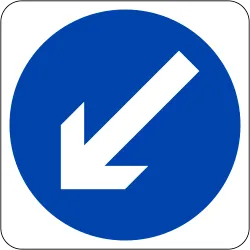 | Keep Left | You must stay to the left of this sign or road divider. | Safely manoeuvre your vehicle to the left of the obstruction or island indicated by the sign. |
2.0 Prohibitory Signs: What You MUST NOT Do
Just as important as knowing what to do is knowing what not to do. Prohibitory signs tell you which actions are forbidden on a particular stretch of road. Like mandatory signs, failing to comply with a prohibitory sign is an offence. These signs are typically circular with a red border and a black symbol on a white or blue background.
| Image | Sign | What it Means | Your Action as a Driver |
|---|---|---|---|
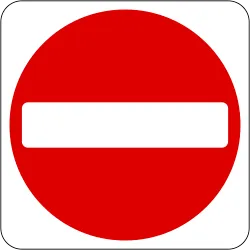 | No Entry | This road is closed to all traffic. | Do not enter this road or area. This is often used for one-way streets or restricted zones. |
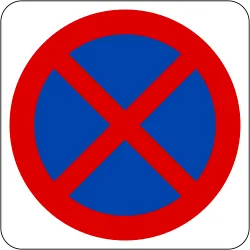 | No Stopping | You cannot stop your vehicle here for any reason. | You are not allowed to stop, even for a moment to pick up or drop off passengers. Keep moving. |
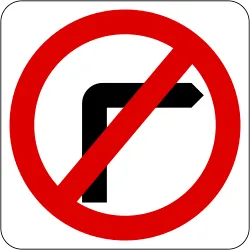 | No Right Turn | Turning right at this junction is forbidden. | You must not turn right here. Proceed straight or turn left if permitted. |
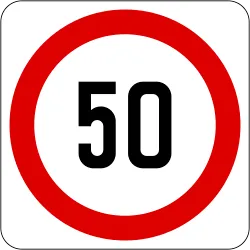 | Speed Limit (50 km/h) | This is the maximum speed allowed. | Your speed must not exceed 50 km/h. Remember, this is a maximum limit for ideal conditions; you should always slow down further if the road is wet or visibility is poor. |
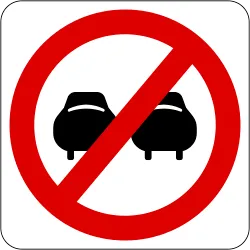 | No Overtaking | Passing other vehicles is not allowed here. | Remain in your lane and do not attempt to overtake the vehicle in front of you until the restriction ends. |
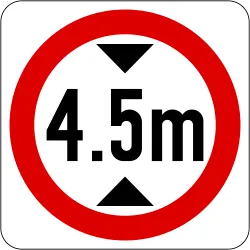 | Height Limit (4.5m) | Vehicles taller than the indicated height are not allowed. | Ensure your vehicle's height is below the limit shown on the sign before proceeding. This is critical for bridges, tunnels, and underpasses. |
3.0 Warning Signs: Be Alert for What's Ahead
Warning signs are your best friend on the road. Their purpose is to give you an advance alert about potential dangers or changes in road conditions, such as sharp bends, junctions, or merging lanes. When you see a warning sign, it's a clear signal to reduce your speed, stay alert, and be prepared to react. They are easy to spot due to their distinctive triangular shape with a red border and a black symbol.
| Image | Sign | What it Means | Your Action as a Driver |
|---|---|---|---|
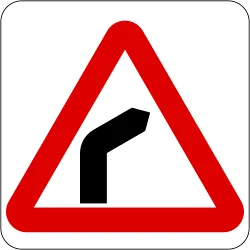 | Right Bend | The road ahead curves sharply to the right. | Slow down before entering the bend. Keep left, do not overtake, make a U-turn or park your vehicle. |
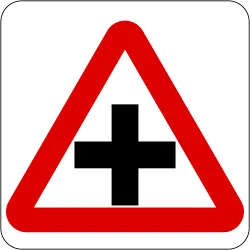 | Cross Junction | There is a road intersection ahead. | Reduce your speed and be prepared for vehicles approaching the junction from other directions. |
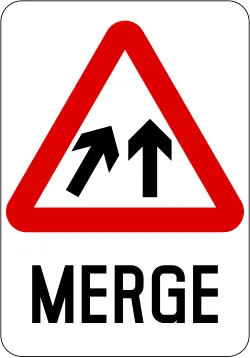 | Merging Traffic | Traffic from another lane will be joining your lane from the left. | Be cautious and aware of vehicles entering your lane. Be prepared to adjust your speed to allow traffic to merge smoothly. |
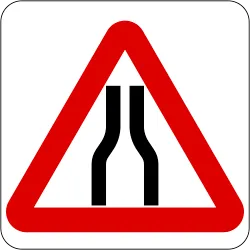 | Road Narrows | The width of the road ahead is reduced. | Slow down and position your vehicle safely within the narrower lane. Do not attempt to overtake. |
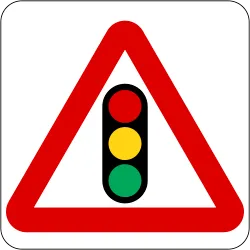 | Light Signals Ahead | You are approaching a set of traffic lights. | Slow down and be prepared to stop. The lights may change as you get closer. |
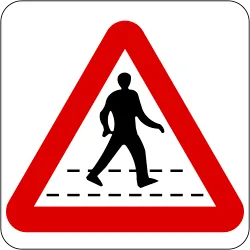 | Pedestrian Crossing | A designated spot for pedestrians to cross is coming up. | Slow down and be ready to stop for any pedestrians who are crossing or waiting to cross the road. |
4.0 Reading the Road: Understanding Common Road Markings
Road markings are your continuous guide, providing rules and information directly in your line of sight. They define lanes, indicate rules for parking and stopping, and show you where to position your vehicle at junctions.
4.1 Lines Along the Road
| Image | Line Marking | What it Means for You |
|---|---|---|
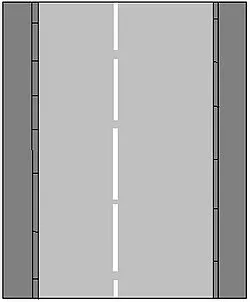 | Broken White Line | This marks the centre of a two-way road or separates lanes going in the same direction. You should keep to the left of it on a two-way road. You may cross it to overtake only when it is safe. |
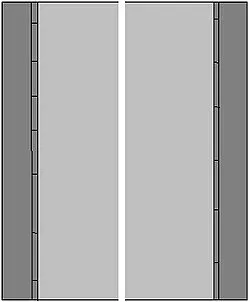 | Continuous White Line | This also marks the centre of a two-way road. You should keep to the left of it. Parking is not allowed on either side of the road. You may cross it to overtake only when the road ahead is clear and it is safe. |
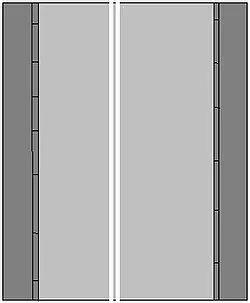 | Unbroken Double White Lines | These lines in the middle of a two-way road mean do not cross. Overtaking, making a U-turn, or a right turn across these lines is strictly prohibited. No parking is allowed on either side. |
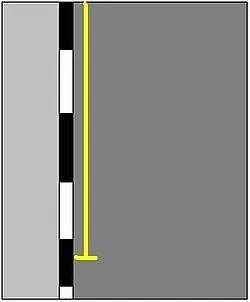 | Unbroken Yellow Line | A single yellow line at the side of the road means no parking between 7:00 a.m. and 7:00 p.m. on that side, except on Sundays and public holidays. |
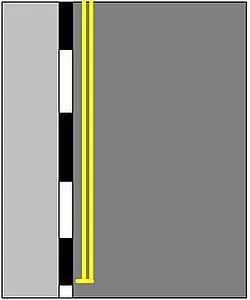 | Unbroken Double Yellow Lines | Double yellow lines at the side of the road mean no parking at all times. You may only stop briefly to pick up or drop off passengers. |
A Special Warning: Zig-Zag Lines
Before you reach a pedestrian crossing, you will often see white zig-zag lines painted by the side of the road. These are an advance warning that a crossing is ahead. When you are in the zig-zag zone, you must not overtake, wait, or park. This keeps the area clear so that both drivers and pedestrians can see each other.
4.2 Lines Across the Road
- Parallel Broken White Lines: These are "give way" lines that you'll find at junctions which also have the triangular 'Give Way' sign. When you approach these lines, you must slow down and give way to traffic on the major road you are about to enter.
- Single White Line: This is a "stop" line, which always accompanies the octagonal 'Stop' sign or a traffic light. You must stop your vehicle completely before this line.
- Zebra Crossing: Marked by thick white stripes across the road. As a driver, you must slow down and stop for any pedestrians or cyclists who are crossing or waiting to cross. Be prepared to stop.
5.0 Understanding Traffic Lights
Traffic lights are the primary system for controlling the flow of vehicles and pedestrians at intersections. They are not advisory; their signals are commands that must be obeyed at all times to prevent collisions.
- RED: Means "STOP". You must stop your vehicle before the stop line and wait for the green light.
- AMBER: Means "STOP". The light is about to change to red. You must stop before the stop line unless you are so close to it that stopping suddenly would be unsafe.
- GREEN: Means "GO". You may proceed, but only if the way is clear. Always look to your right and left to ensure it is safe before moving off.
- GREEN ARROW: Means "GO" but only in the direction the arrow is pointing. You may proceed in that direction, but this is not an absolute right-of-way. You must first give way to any oncoming traffic and ensure the path is clear of pedestrians before proceeding safely.
6.0 Conclusion: Driving with Confidence
You've just completed your first and most fundamental driving lesson! Understanding Singapore's traffic signs and road markings is the bedrock of safe driving. Being a safe driver means being an observant and knowledgeable driver who can anticipate, understand, and react correctly to the road's language.
Remember, these signs and markings are your allies. They are designed to guide and protect you on every trip. As you continue your training and gain more experience, they will become second nature. We wish you safe and happy travels on your exciting driving journey ahead!